Logo Brief Development
Clarify the business, audience, naming decisions and visual requirements before concept work.

Create a clear visual mark your business can use with confidence across everyday touchpoints. We develop logo directions from your brand context, then refine the selected concept for practical digital and print use.

Your logo may appear on a website header, a phone screen, a proposal or a sign. A concept that only looks convincing in a large mockup may struggle in those everyday settings. We consider the real applications while developing the mark, not after a direction has been approved.
The process begins with your business name, audience, positioning and any elements that should be retained. We explore suitable visual directions and explain the thinking behind them. Feedback then focuses on the agreed brief rather than combining unrelated ideas into one complicated symbol.
Chulbul Design works with new and established businesses worldwide. A logo project can stand alone or form part of a wider identity scope. We define concept exploration, refinement, variations and delivery files before work begins.
Build a practical mark and the agreed variations needed to use it consistently.
Clarify the business, audience, naming decisions and visual requirements before concept work.
Review relevant category conventions and existing assets without copying another business's identity.
Develop purposeful directions that respond to the brief and can be explained in context.
Explore typographic treatments that suit the name, tone and intended applications.
Develop a relevant symbol or combined mark when the brief supports that approach.
Refine an established identity while considering which familiar elements should remain recognizable.
Prepare agreed horizontal, stacked or compact arrangements for different spaces.
Check the selected mark against light, dark and single-colour use cases.
Provide the agreed source and export formats for suitable print and digital applications.
Document clear space, background use and the practical rules included in the logo scope.
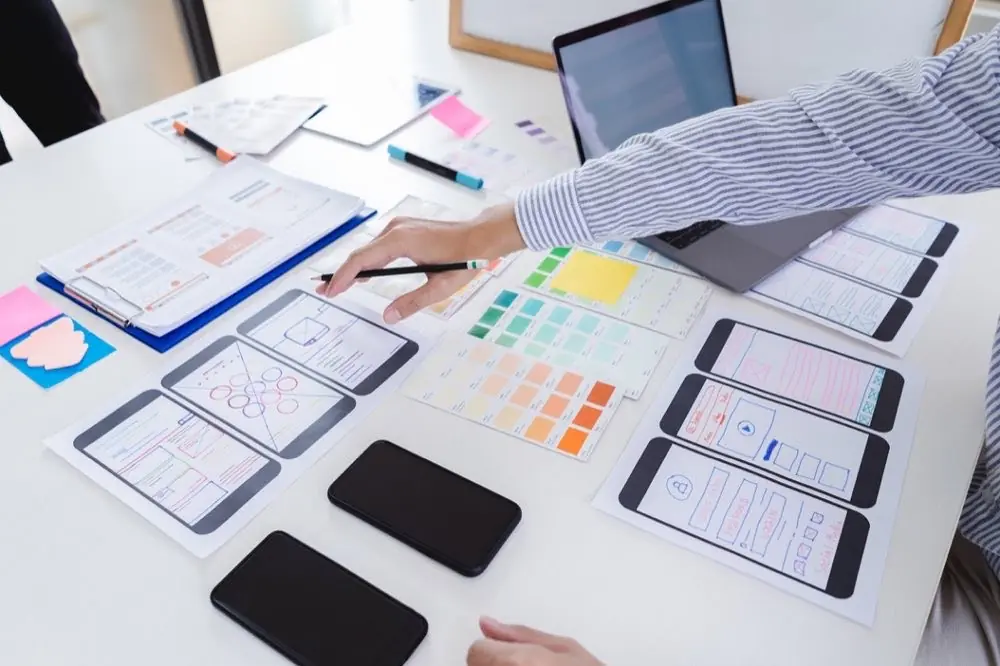
Before drawing concepts, we discuss the business name, audience and the impression the identity should convey. A local hospitality brand, a technical service and a product company can need very different visual language. Your preferences matter, but they should be connected to the context.
The brief also identifies mandatory wording, existing recognition and practical constraints. If naming or positioning is unresolved, that should be addressed rather than hidden inside a logo sketch. Broader strategy work can be scoped separately when the business needs it.
Possible logo requirements that can be discussed as a focused scope.
Establish a first mark around a settled name and business direction.
Refresh a mark while considering the recognition it already carries.
Create a clear identity for proposals, websites and business communication.
Plan marks for menus, signage and digital presence.
Consider the identity across product presentation and packaging.
Design relevant wordmarks and compact variations for digital touchpoints.
Reflect an agreed purpose and the ways the organization communicates.
Review naming, readability and application needs across target audiences.
Consider both storefront presence and small digital uses.
Explore how an additional mark should relate to an existing parent identity.
The logo should be explainable and usable, not only visually interesting.
The visual idea reflects the business rather than an arbitrary trend.
Typography, proportion and simplicity support recognition in realistic use.
The delivery set accounts for the spaces and media the brand actually uses.
Concepts should provide meaningful options, not small colour changes presented as different ideas. We explain how each proposed direction relates to the brief and where it may work well. The agreed proposal states the extent of concept exploration and review rounds.
Once a direction is selected, refinement improves proportion, spacing and balance. Consolidated feedback helps the work move forward. Combining every stakeholder's preferred element can weaken a mark, so design decisions are evaluated against the same purpose throughout the process.

The selected logo is reviewed outside the presentation mockup. We check its legibility at small sizes, its appearance in simple single-colour use and the way it sits in relevant spaces. Some brands need a compact variation rather than forcing one long arrangement into every format.
Applications such as embroidery, packaging or large signage can have supplier-specific constraints. We use the requirements available in scope and flag specialist adaptations. A logo should remain recognizable without depending on a complex background or an effect that cannot be reproduced reliably.
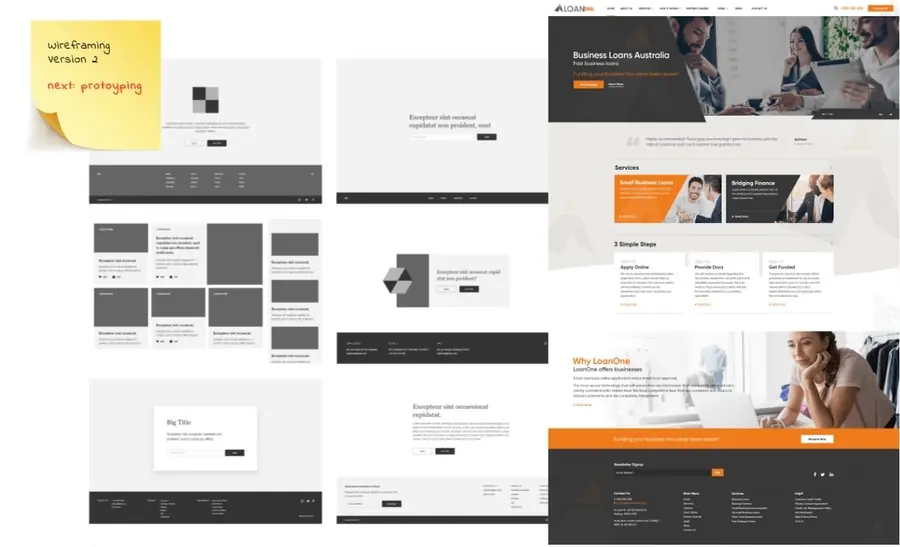
The handoff explains which files to use and when. Vector sources support scalable artwork, while suitable raster exports cover everyday digital needs. File names and an agreed usage guide help the team avoid stretching the mark or selecting an unsuitable version.
Design delivery and legal clearance are different matters. The proposal defines ownership and third-party asset responsibilities; trademark searches, registration and legal advice are not implied by a logo design service. Those requirements should be handled with an appropriate specialist when needed.
Review criteria focus on the mark and its intended applications.
The selected direction reflects the agreed business character and context.
The name and key forms remain clear at relevant sizes.
Agreed colour and monochrome versions work on appropriate backgrounds.
Your team can identify the right file for the task.
Each stage has a clear purpose, approval point and responsibility before the next work begins.
Confirm the name, audience, character, constraints and primary applications.
Explore relevant visual references and any existing identity assets.
Present the agreed range of purposeful directions with their rationale.
Adjust form, typography and balance using consolidated feedback.
Review agreed lockups, sizes and background applications.
Provide final files, usage notes and clearly stated ownership arrangements.
Our wider website portfolio includes work connected with Gurjar Pragati Manch, Kisaan Jee and Tera Ghar. These logos provide context for our wider digital work; they do not mean every project included logo design work or original identity creation.
Ask to review a logo in simple forms and at realistic sizes, with its concept rationale and agreed deliverables. Website client logos in our wider portfolio do not automatically mean we created those organizations' original identities.
Review Selected WorkWe connect the concept work to an agreed business brief and the applications that matter. That provides a useful way to evaluate directions beyond personal preference alone.
The proposal makes review rounds, file delivery and related identity work explicit. We do not treat a basic logo package as a complete brand strategy or imply legal clearance from a visual design review.
Logo design cost depends on the depth of discovery, concept exploration, refinement and application requirements. A small refresh and a new multi-part identity system need different scopes.
The proposal separates design work from development, printing, licensed assets and any additional production. Scope changes and approval responsibilities are discussed before extra work begins.
Request a Scope DiscussionDiscoveryHow settled the name, positioning and visual brief are.
Concept scopeThe agreed exploration and presentation work.
RefinementReview rounds and complexity of the selected direction.
VariationsLockups, monochrome options and compact uses.
ApplicationsAdditional artwork or specialist adaptation requirements.
DeliverySource formats, usage documentation and handover needs.
Compare the services below, or explore UI/UX and branding to choose the right design support for your product, identity and business materials.
Clear answers about scope, review rounds, deliverables, implementation and cost.
Ask about your businessThe proposal states the concept scope and review rounds. We focus on meaningful directions rather than promise an arbitrary number of near-identical options.
Yes. We review what should be retained and what needs improvement, then scope a refresh or a more substantial redesign based on the brief.
We plan the agreed variations and file formats for those uses. Specialist production methods may need supplier-specific adaptations that should be identified in the brief.
Vector delivery can be included along with suitable digital exports. The proposal specifies the source and final formats so there is no uncertainty at handoff.
No. A logo is one element. A broader identity project can define typography, colour, imagery, layout, messaging and application guidelines across touchpoints.
Ownership and usage rights are defined in the agreement, including any third-party assets. The terms should be clear before work starts rather than assumed from the file format.
No, not as part of the standard design scope. Trademark clearance, registration and legal advice are separate specialist matters and should be arranged explicitly if required.
We can discuss what appeals to you about a reference, but should develop a direction for your own business rather than reproduce another brand's mark.
No blanket promise is made. Review rounds and scope changes are agreed upfront so the project has a clear process and both teams know what is included.
The confirmed business name, audience, offer, any existing brand files and examples of where the logo will be used. Those details form the initial design brief.
Compare local website packages, ecommerce deliverables and transparent starter pricing in our top client cities, or view all 52 cities we serve.
Share your business name, audience and the places your logo needs to appear. We will discuss a focused concept and delivery scope.


