Brand Discovery
Clarify the business offer, audience and context that should guide identity decisions.

Give your business a clear visual direction across websites, presentations and everyday communication. We connect brand context, identity design and practical guidelines so the result remains useful beyond the first launch.

A business can have a good logo and still look inconsistent. Different presentations use different fonts, social graphics drift away from the website and suppliers interpret the identity in their own way. A brand system gives those decisions a shared direction while leaving room for different messages and formats.
We begin with the audience, offer and the character your business should communicate. That context informs the visual identity and any agreed messaging work. The final scope can include a logo system, colours, typography, imagery guidance, templates and a usable set of brand rules.
Chulbul Design supports new identities and considered refreshes for businesses worldwide. We review existing recognition before recommending replacement. The goal is a coherent system your team can use, not simply a collection of attractive mockups.
Select the strategic, visual and application work needed for your stage of business.
Clarify the business offer, audience and context that should guide identity decisions.
Define an agreed communication direction and key themes where strategy work is included.
Explore the overall character of the identity through suitable references and design principles.
Create or refine the mark and agreed variations as part of the wider visual system.
Explore Logo SystemEstablish a usable palette and typographic hierarchy for the applications in scope.
Define how photography, illustration or supporting graphics should relate to the brand.
Document practical usage rules, examples and file references for the team and suppliers.
Plan how the identity appears on selected website or digital touchpoints.
Create agreed templates or layouts for consistent everyday communication.
Explore Business Collateral SystemsOrganize the transition from an existing identity across prioritized materials.
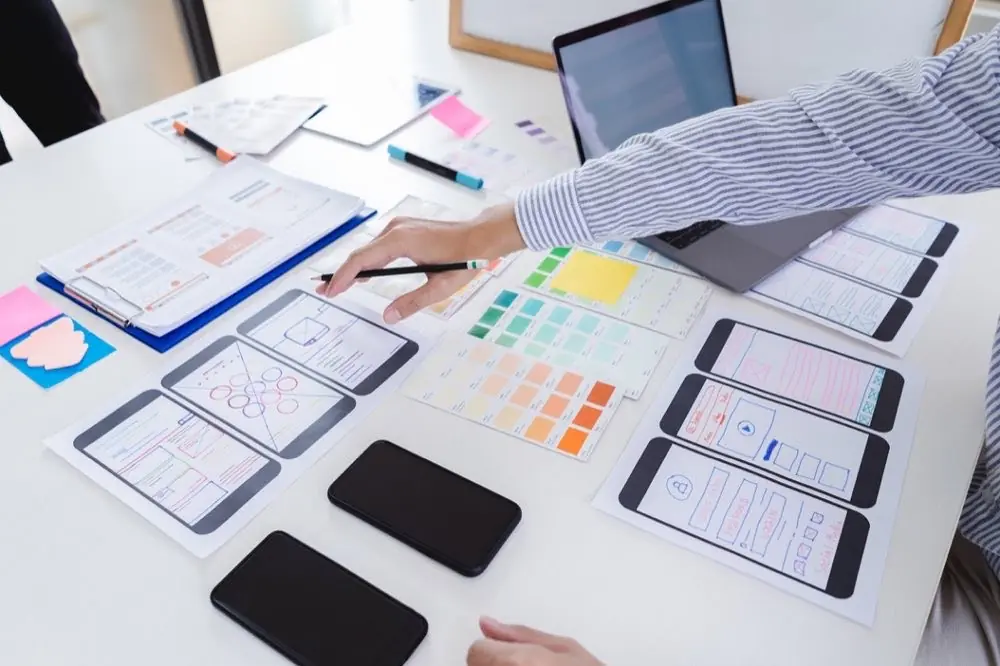
Discovery gives the design a reason to look and sound a particular way. We review what the business offers, who it serves and how it should be understood. Existing customer knowledge and stakeholder input help identify where the current identity is clear and where it creates confusion.
The output is an agreed direction, not a set of unsupported claims about the market. Where deeper audience research, naming or brand architecture is required, that work is defined separately. This keeps the identity scope connected to decisions the business is actually ready to make.
Examples of situations that can benefit from a defined identity scope.
Establish a coherent starting system around a confirmed offer and name.
Resolve inconsistency as more people create brand materials.
Align presentations, proposals and digital presence around a clear identity.
Connect the visual system with product communication and packaging needs.
Coordinate customer-facing menus, signage and digital touchpoints.
Bring product presentation and wider business communication into one direction.
Clarify how related services or sub-brands should appear together.
Review how the identity and messages fit additional audiences.
Give contributors practical rules and a shared asset source.
Improve the system while considering useful existing recognition.
A brand system is strongest when the decisions connect.
Audience, offer and character guide what the identity should communicate.
The logo and supporting design elements work as a related system.
Guidelines and example applications help teams create consistent materials.
A brand system needs to account for the materials people encounter. The website, a sales deck and a printed document may share colour and typography while using different compositions. We identify the important applications before creating rules that do not suit them.
Reusable patterns make consistency easier without forcing every piece into one template. We show how the identity handles different content lengths, image types and emphasis. Extra channels or application sets can be added to the scope rather than assumed to be covered by one demonstration mockup.

A brand guide should answer the questions that arise when someone makes a new piece of work. Which logo variation belongs on a dark background? How should a headline and body copy relate? What kinds of images fit the identity? Practical examples are often more useful than abstract descriptions alone.
We document the agreed rules and provide file references. Font and asset licenses need appropriate arrangements for your team and suppliers. The guide helps people apply the identity consistently, but it does not replace production checks for every possible medium.
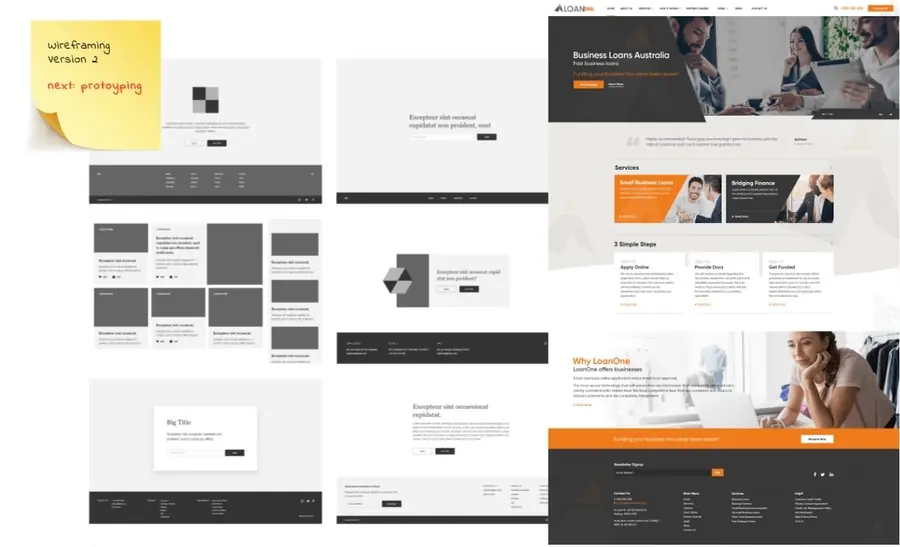
A rebrand affects more than a logo file. Your team may need to update proposals, social profiles, website assets and supplier materials. We help prioritize the agreed touchpoints and identify what needs to be ready for the initial release.
The handoff defines where approved assets live and who can approve future changes. Some existing materials may transition later for practical reasons. Rollout support is scoped by the actual applications involved; a new identity does not automatically include rebuilding every website or replacing every printed item.
Review the system in use, not only on its presentation cover.
Visual decisions relate to the agreed business and audience context.
Colour, type and supporting graphics work together across examples.
Team members can find clear rules for common applications.
Approved files and their usage responsibilities are identifiable.
Each stage has a clear purpose, approval point and responsibility before the next work begins.
Understand the audience, offer, existing identity and reason for change.
Define the character, priorities and strategy work needed for the scope.
Explore and refine the logo and supporting identity elements.
Test the direction on prioritized touchpoints with realistic content.
Prepare practical rules, examples and asset references.
Deliver the approved system with owners, files and agreed transition support.
Our wider website portfolio includes work connected with Gurjar Pragati Manch, Kisaan Jee and Tera Ghar. These logos provide context for our wider digital work; they do not mean every project included brand identity work or original identity creation.
Ask to see how an identity system is applied across different materials and what the guidelines explain. We can clarify the role played in a relevant project; website portfolio logos are not automatic claims of full brand strategy or original logo creation.
Review Selected WorkWe connect identity decisions with the materials your business actually uses. That helps avoid a visual direction that looks convincing in one mockup but leaves the team uncertain about everyday applications.
The scope distinguishes strategy, logo design, templates and rollout support. We also review what should be retained from an existing identity so a refresh does not discard useful recognition without a clear reason.
Branding and identity cost depends on discovery depth, the visual system required and the number of applications. A focused visual refresh is different from naming, strategy and a broad identity rollout.
The proposal separates design work from development, printing, licensed assets and any additional production. Scope changes and approval responsibilities are discussed before extra work begins.
Request a Scope DiscussionDiscoveryStakeholders, existing research and business complexity.
Strategy scopePositioning, messaging or other agreed foundational work.
Identity componentsLogo, colour, type and supporting visual language.
Application setTemplates and touchpoints used to develop and test the system.
GuidelinesDepth of documentation and examples required.
Rollout supportAsset organization, supplier coordination and transition work.
Compare the services below, or explore UI/UX and branding to choose the right design support for your product, identity and business materials.
Clear answers about scope, review rounds, deliverables, implementation and cost.
Ask about your businessLogo design focuses on the mark and its variations. A branding and identity engagement can also define visual language, message direction, guidelines and how the system appears across touchpoints.
Yes. We review whether it should be retained, refined or replaced in the context of the project. A wider identity improvement does not always require a new mark.
Positioning and message direction can be included in the agreed discovery scope. Deeper market research, naming or architecture work should be specified rather than assumed.
It depends on the project, but may cover logo use, colour, typography, imagery, layout principles and practical examples. The proposal defines the exact rules and applications to document.
Only the agreed touchpoints are included. We can prioritize a launch set and plan later adaptations so the rollout is manageable and costs remain clear.
Yes. We discuss the audiences, languages and real operating context. Specialist localization and naming checks can be additional requirements depending on the markets.
Any third-party licensing needs are identified separately. Your team and suppliers need suitable rights for their intended use; access to a file does not automatically grant every usage permission.
No. A coherent identity can support clearer communication, but sales also depend on the offer, customer experience, distribution and many other factors. We do not promise a fixed commercial uplift.
Yes. We can involve the people who will use the identity and explain the approved system at handoff. Ongoing implementation or campaign work is scoped separately.
Your current brand files, business offer, audience information, key materials and the reason for changing the identity. These help define the discovery work and priorities.
Compare local website packages, ecommerce deliverables and transparent starter pricing in our top client cities, or view all 52 cities we serve.
Share your current identity and the materials your team uses most. We will discuss what to retain, what to clarify and how to build a practical brand system.


