Inventory Management
Stock, locations, movements, adjustments and accountable availability.

We plan and build ERP modules around your processes, responsibilities and data—so departments share reliable information without losing operational control.

ERP software touches purchasing, inventory, sales, finance, production, people and management decisions. A technical build cannot fix conflicting definitions or unclear ownership on its own. Successful ERP work begins by mapping the process and establishing who owns each important record and approval.
We separate essential modules and integrations into manageable releases. Teams review workflows, roles and reports before development, while migration and cutover risks are planned from the beginning.
Custom ERP is appropriate where operational requirements, integrations or ownership justify it. We also identify when an established ERP with responsible configuration would be safer and more economical.
Connected modules with clear responsibilities, controls and reporting.
Stock, locations, movements, adjustments and accountable availability.
Requests, purchase orders, approvals, receipts and supplier records.
Bills of materials, work orders, consumption, output and production status.
Orders, pricing, fulfilment hand-offs, invoices and commercial records.
Controlled exchange with accounting tools and agreed financial ownership.
Employee records, attendance, leave and payroll-supporting workflows within scope.
Picking, dispatch, transfers and delivery status across locations.
Inspection, evidence, exceptions, approvals and audit history.
Role-specific operational views with traceable definitions and filters.
Connections with ecommerce, CRM, payments, devices and external services.
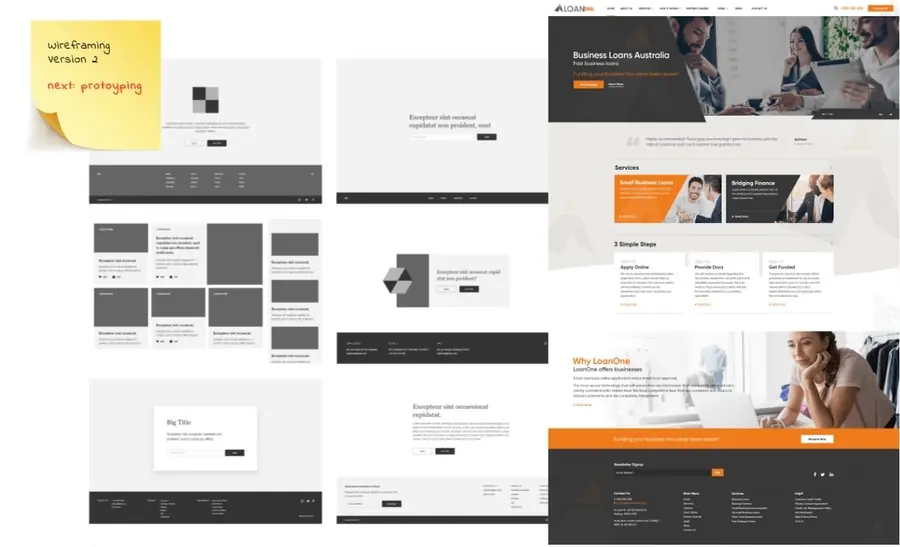
An ERP module should reflect how work moves and where decisions are accountable. Workshops map triggers, records, approvals, exceptions and hand-offs across departments.
This reveals conflicting definitions and unnecessary duplication before they enter the system. The release plan then follows operational value and risk rather than trying to replace every tool at once.
Manufacturing, distribution and service organizations require different records, controls and measures.
Materials, work orders, consumption, output, quality and production visibility.
Purchasing, warehouses, stock, sales orders and delivery coordination.
Products, locations, inventory, transfers, sales and management reporting.
Projects, resources, time, expenses, billing and service profitability.
Controlled records, transfers and reporting across branches or facilities.
Receiving, put-away, picking, dispatch and stock accountability.
Requests, vendors, approvals, orders, receipts and spend visibility.
Employee, attendance, leave and role workflows within a defined scope.
Inspections, non-conformance, corrective actions and evidence.
Consistent operational measures with drill-down and accountable definitions.
Useful software connects customer or team journeys with reliable data, integrations and operating responsibilities.
Departments agree records, states, ownership and exceptions before automation.
Each release solves a useful operational boundary and prepares clear integration points.
Data, users, reconciliation and support are validated before the new system becomes authoritative.
ERP may become the source of truth for some records while finance, CRM, ecommerce or specialized tools remain authoritative for others. Integration design documents what moves, when it moves and how failures are handled.
Interfaces, imports, APIs and reconciliation views are planned around business consequences. This prevents silent differences from becoming reporting problems.
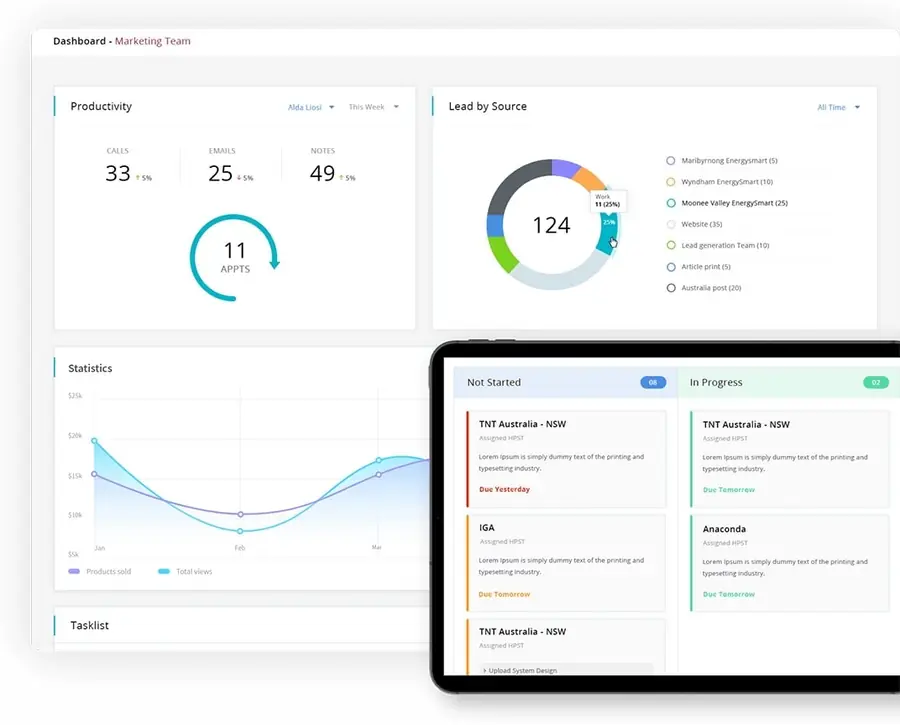
Store staff, buyers, production teams, finance users and managers should not face the same dashboard. Each role receives the records, actions and alerts required for its responsibilities.
Forms support speed and validation while reports retain clear definitions. Responsive access is included where teams work away from a desktop.
ERP migration affects live work. Master data, opening balances, stock and active transactions require separate mapping and validation. We use pilot modules or locations where appropriate.
Training, parallel checks, cutover responsibilities and rollback decisions are documented before the production transition.
Quality is evaluated on real journeys and operating conditions—not only an ideal product demonstration.
Validation, ownership and reconciliation protect operational records.
Roles, approvals and audit history match business responsibility.
Transactions and integrations account for partial failure and recovery.
Measures use documented definitions and allow investigation.
Each stage produces something reviewable before the next layer of work begins.
Clarify users, business rules, constraints, integrations and the smallest valuable release.
Map journeys, data, roles and technical boundaries before committing to detailed screens or code.
Design reviewable interfaces around real tasks, edge cases, accessibility and device behaviour.
Build in reviewable increments with version control, demonstrations and visible acceptance criteria.
Test critical journeys, integrations, permissions, performance and release readiness against the agreed scope.
Monitor the live product, resolve defects and prioritize improvements using support and usage evidence.
Our portfolio includes digital delivery for organizations such as Gurjar Pragati Manch, Kisaan Jee and Tera Ghar. Relevant work lets us discuss information architecture, responsive journeys, content workflows and technical implementation through specific decisions.
During a consultation, we explain our role, the constraints involved and how comparable decisions may apply to your product. For broader engineering requirements, Chulbul Design can also collaborate with SoftLes as a technology partner.
Review Selected WorkWe surface process disagreement, migration risk and integration responsibility before they become expensive code changes. A phased roadmap gives teams time to validate how the system supports real work.
Our Gurugram team uses process maps, prototypes and working demonstrations to keep operational stakeholders involved. Custom development is recommended only where it creates a justified fit or ownership advantage.
A useful estimate must be connected to users, journeys, data, integrations and release responsibility. We review these factors before recommending technology or committing to milestones.
After discovery, the written scope separates included work, dependencies and later opportunities. This is more dependable than a low starting price that omits the operational parts of the product.
Request a Scope DiscussionProduct scopeThe number of user journeys, screens, modules and business rules defines the core delivery effort.
Roles and permissionsCustomer, staff, manager, partner and administrator roles require different access and testing.
Backend and dataData relationships, reporting, search, audit history and migration affect architecture and implementation.
IntegrationsPayments, messaging, maps, identity, CRM, ERP and third-party APIs introduce separate dependencies.
Quality requirementsSecurity, accessibility, offline use, device support and performance targets shape engineering depth.
Release and supportStore submission, infrastructure, monitoring, training and post-launch ownership influence total cost.
Move between the broader hub and service-specific guidance without repeating the same search intent.
Clear answers to common scope, technology, integration, release and cost questions.
Ask a project-specific questionIt is the design and development of connected operational modules around an organization’s processes, data, roles, controls and integrations.
Cost depends on modules, users, locations, workflows, reports, integrations, migration and cutover responsibility. A phased discovery provides a dependable estimate.
Established ERP products are often safer for standard operations. Custom development is justified where process fit, integration, ownership or long-term economics create a clear advantage.
Yes, where supported APIs or exchange formats exist. Financial ownership, timing, reconciliation and failure handling must be agreed with accounting stakeholders.
Yes. Scope can include products, locations, receipts, movements, adjustments, picking, dispatch and traceable stock reporting.
Yes, for defined manufacturing workflows such as materials, work orders, consumption, output and quality. Detailed domain discovery is required.
We separate master, opening and active transaction data, define mapping and cleanup rules, run pilot migrations and reconcile before cutover.
Yes. Phased delivery is usually safer. Modules are sequenced around operational value, dependencies and transition risk.
Access and approval rules are mapped to responsibilities, thresholds, locations and audit needs. They are reviewed with process owners before release.
Yes. Support can cover monitoring, defects, integrations, infrastructure, security, user issues and planned module improvements.
Compare local website packages, ecommerce deliverables and transparent starter pricing in our top client cities, or view all 52 cities we serve.
Share the departments, current systems, data and recurring hand-offs. We will help define a phased scope that protects operational continuity.


