Content and Audience Research
Review customer questions, search intent and current assets before creating a new publishing plan.

Turn your team's knowledge into clear pages, articles and useful answers. We plan and create content around real customer questions, your business expertise and the decisions people need to make before contacting you.
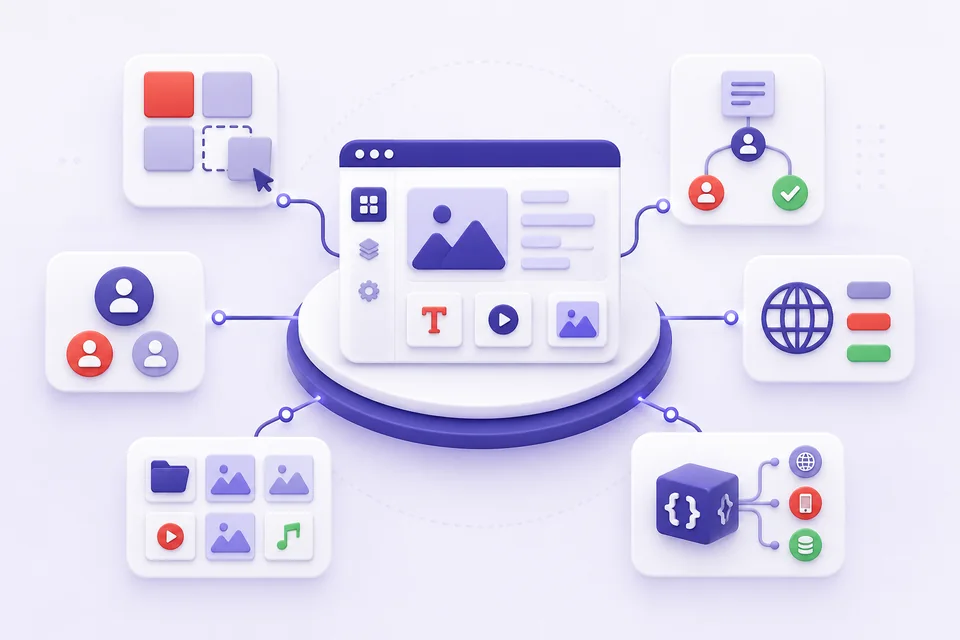
More articles do not automatically make a business more helpful. A library can grow while important customer questions remain unanswered. Effective content marketing starts by identifying those questions and deciding which deserve a page, a guide, a case study or a better explanation on an existing service page.
We work with your business knowledge rather than treating keywords as enough source material. Interviews, delivery details and approved examples give the writing something specific to say. Research adds context, while editing checks whether a reader can understand the information and use it.
Chulbul Design supports content planning for businesses serving different markets. The scope defines audience, language, expertise and review responsibilities. We avoid promises that a certain word count or publishing frequency will guarantee rankings, enquiries or authority.
Choose the content formats and production support that close genuine information gaps.
Review customer questions, search intent and current assets before creating a new publishing plan.
Map useful topics to the audience's decisions and connect them with relevant business services.
Give writers a defined audience, purpose, source requirements and structure for each piece.
Explain offers, suitability, process and next steps in language customers can use.
Develop focused educational material with useful examples and clear links to further information.
Turn verified project evidence and approved client input into an honest account of the work.
Improve outdated or incomplete pages before adding another asset with the same purpose.
Connect related guides, services and decision-stage pages through meaningful navigation and links.
Adapt approved source material for newsletters or social formats when distribution is in scope.
Assess discovery, engagement and useful actions to decide what to improve, maintain or retire.
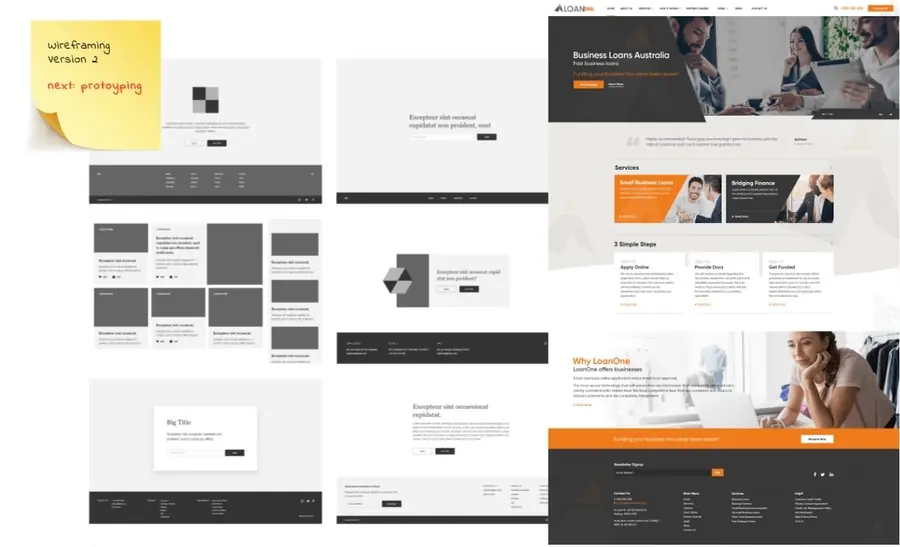
The starting point is a review of your services, customer conversations and existing pages. We look for gaps that affect understanding: who the offer suits, how delivery works, what changes the cost and what a customer should prepare before enquiring.
Search research helps frame those questions, but it does not replace business knowledge. The content map identifies a useful format and destination for each priority. Where an existing page can answer the question well, improving it may be preferable to publishing a separate article.
Examples of assets we can scope; each needs a clear purpose, source material and review owner.
Clarify what is included, who it suits and how a project starts.
Explain meaningful trade-offs without inventing claims about alternatives.
Help buyers understand the factors behind an estimate.
Answer recurring questions with enough context to be genuinely useful.
Describe approved work, responsibilities and verifiable outcomes.
Explain a focused problem through practical, well-supported information.
Help customers prepare information or evaluate their requirements.
Support product and category decisions with relevant buying guidance.
Adapt useful knowledge for an agreed owned-audience communication plan.
Turn approved long-form ideas into suitable short-form messages.
Quality comes from the work around the draft, not just the words inside it.
Every asset has an audience, a question to answer and a useful role on the site.
Expert input and approved examples support specific, accurate explanations.
Review, publishing and updates have owners and an agreed workflow.
A guide can answer an early question without asking the reader to buy immediately. A service page needs a clearer explanation of fit and a practical contact route. We align calls to action with the purpose of the content rather than adding the same sales message everywhere.
Internal links help people continue their research and understand how the business can help. Distribution can be planned through owned channels where agreed. The content proposal states whether publishing, email delivery or social adaptation is included; writing an article does not automatically distribute it.

Credible business writing needs specifics. We gather information through source documents, interviews or written input, then distinguish facts from assumptions and promotional claims. Client examples require approval and should describe the role your team actually played.
Drafts are edited for accuracy, clarity and originality. Specialist topics need review by a suitably qualified person from your team or an agreed reviewer. We do not invent statistics, testimonials or project results to make an article appear authoritative, and automated assistance does not remove the need for fact-checking.
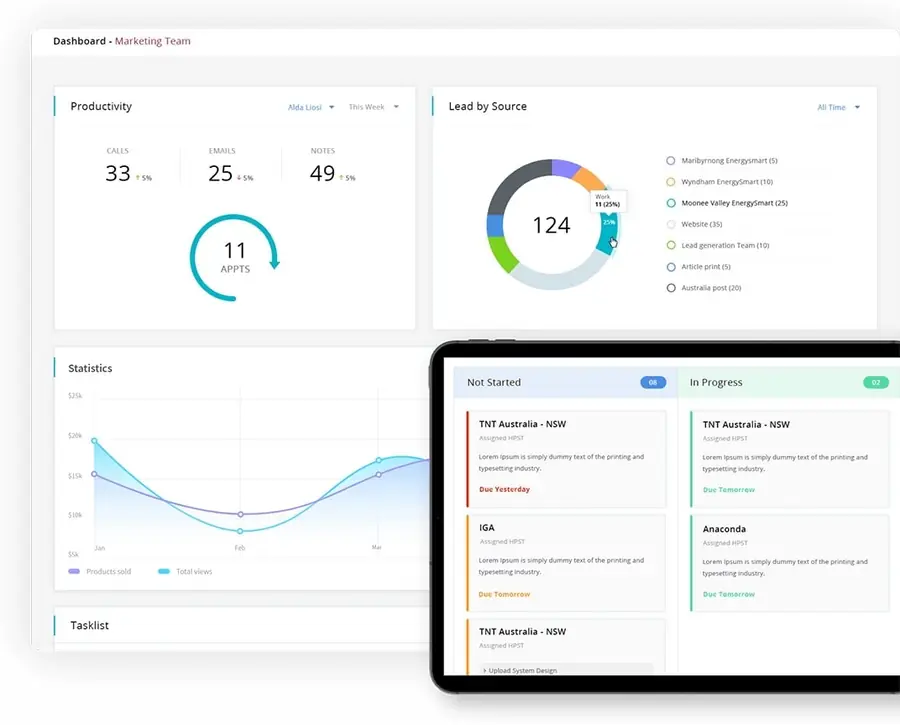
Services change, examples age and links stop working. A content program needs review dates and ownership, not only a queue of new topics. We assess whether existing pieces are still accurate, discoverable and useful for their intended audience.
Performance review can lead to a better introduction, additional evidence, clearer links or consolidation of overlapping pages. Some assets support a long buying journey and should not be judged only by immediate form submissions. We report the signals available and use customer feedback to guide the next editorial decisions.
Checks for useful, credible content rather than a promise of effortless ranking.
The piece answers its intended question without wandering into filler.
Claims, numbers and examples have an appropriate source or business approval.
Headings and explanations help the audience understand the subject.
Important content has a clear path for review and updates.
Each stage has a clear purpose, approval point and responsibility before the next work begins.
Review offers, existing content and the questions people ask before becoming customers.
Prioritize useful gaps and decide which formats or existing pages should address them.
Agree purpose, sources, expert input, outline and approval responsibility.
Develop the draft, check its claims and revise for clarity and reader usefulness.
Complete the agreed review and implementation steps with links and page metadata.
Review available signals and customer feedback to improve the content over time.
Our wider website portfolio includes work connected with Gurjar Pragati Manch, Kisaan Jee and Tera Ghar. These logos represent digital project context, not claims of content marketing results or account management.
Ask to review a content brief, an edited sample or the sources behind a case study. Any performance claim should explain what was published, when it changed and what evidence supports the outcome; a portfolio logo is not proof of content-driven growth.
Review Selected WorkWe help turn the details your team already knows into useful customer-facing explanations. That includes asking for missing evidence and challenging unclear claims before they become polished but unhelpful copy.
Content planning can connect with website structure and implementation where agreed. Your team reviews the business facts, and the delivery plan makes writing, revisions, publishing and future updates explicit.
Content marketing cost depends on research depth, format complexity, expert input and production responsibilities. A short service-page revision and a sourced case study require different amounts of work.
The proposal separates agreed agency work from advertising spend, paid tools, additional production and third-party services. Scope changes and approval responsibilities are discussed before extra work begins.
Request a Scope DiscussionStrategy scopeAudiences, services, markets and existing assets to review.
FormatsService pages, guides, case studies or adapted content.
Source gatheringInterviews, documents and specialist research requirements.
Writing and editingComplexity, factual review and agreed revision rounds.
Publishing supportCMS work, metadata, internal links and distribution tasks.
MaintenancePerformance reviews, refreshes and ongoing editorial planning.
Compare the services below, or explore SEO and digital marketing to choose the right support for your audience, website and business goals.
Clear answers about scope, access, measurement, responsibilities and cost.
Ask about your businessNo. The scope can include service pages, practical guides, FAQs, case studies, website copy and other useful formats. The choice follows the question and customer journey, not a default blog quota.
We combine business priorities, real customer questions, available expertise and search research. Existing content is reviewed so new topics fill a meaningful gap rather than repeat the same answer.
Long enough to answer its intended question clearly. We do not use a fixed word count as a quality or ranking guarantee; complexity, format and audience determine the appropriate depth.
We develop material for your business from agreed sources and input rather than copying competitors. Claims and examples are reviewed, and the editorial process checks for repetitive or unsupported writing.
Tools may assist parts of research or drafting, but they do not replace source verification, editing and business approval. If you have requirements about tool use, authorship or confidential material, they should be agreed before work begins.
Accurate service details, customer questions, source material and a reviewer who can verify business facts. Case studies may also need client permission and evidence of the work or outcomes described.
No. Content quality matters, but search visibility depends on many factors and search engines make the decisions. We focus on useful coverage, sound implementation and transparent performance review.
Only when it is part of the scope. We specify whether delivery includes drafts only, CMS publishing, metadata, internal linking and any distribution work.
Yes. Refreshing accurate but incomplete pages or consolidating overlapping material can be more useful than publishing new content. Any URL changes should be planned with appropriate redirects and checks.
We review appropriate discovery, engagement and enquiry signals for each asset's purpose. A comparison guide may support a longer buying journey, so immediate conversions are not the only useful measure.
Compare local website packages, ecommerce deliverables and transparent starter pricing in our top client cities, or view all 52 cities we serve.
Share your services, existing content and the questions customers keep asking. We will help define a useful content plan and the input needed to deliver it.


