Custom Business Applications
Purpose-built modules for the records, decisions and exceptions that standard tools cannot comfortably support.

Move beyond disconnected forms and manual hand-offs. We develop Laravel applications, portals and APIs around your users, approval rules and data, with a practical plan for testing, deployment and ongoing ownership.
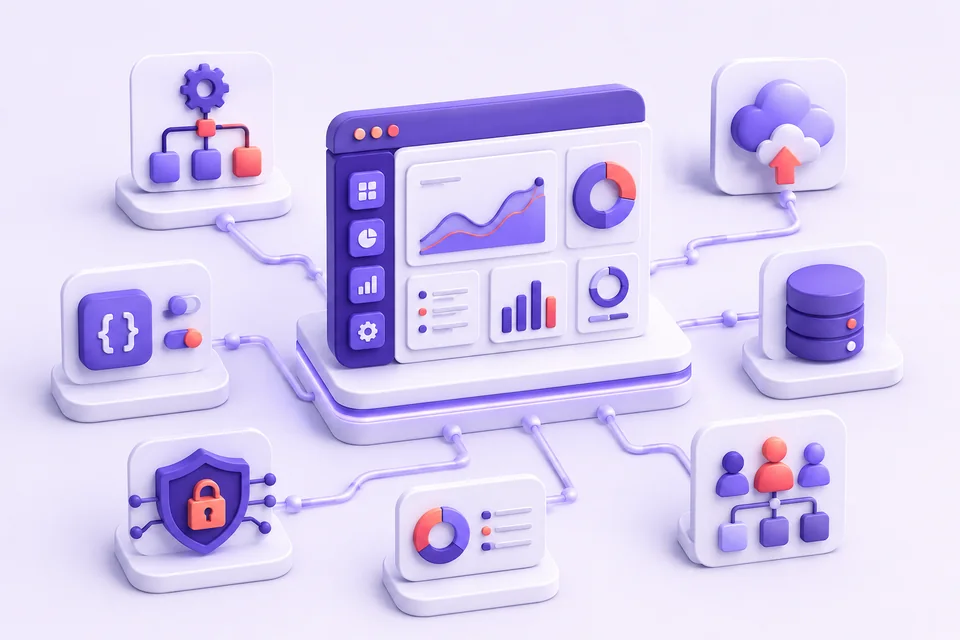
When a quotation needs approval, an order changes status or a partner uploads a document, the application has to do more than display a form. It must apply rules, update related records and make the next responsibility clear. Laravel development gives these behaviors a structured place to live.
We use Laravel where a PHP framework is a practical fit for the application and the team maintaining it. Routing, validation, data access and authorization provide useful foundations, but the business rules still need to be understood and implemented. A framework cannot resolve conflicting definitions of a customer, an order or an approval.
Chulbul Design can help with a new business application, a focused module or the modernization of an existing Laravel system. We begin with the workflow and current constraints, then agree a release that can be reviewed by the people who will use and operate it.
Build a focused operational tool or connect several capabilities within a maintainable business application.
Purpose-built modules for the records, decisions and exceptions that standard tools cannot comfortably support.
Account-based access to requests, documents, orders and communication with clear permissions.
Documented endpoints for mobile apps, React interfaces and connected business systems.
Access rules applied to actions and records so responsibilities remain separated.
Defined stages, decisions and audit history for requests that move between teams.
Structured relationships, migrations and reports built around agreed definitions of business data.
Notifications, exports and repetitive tasks processed with visibility into failures and retries.
Supported payment, CRM, messaging and operational APIs connected to the application workflow.
Compatibility review and staged updates covering dependencies, application behavior and deployment.
Defect resolution, test improvements and incremental changes for a system already in use.
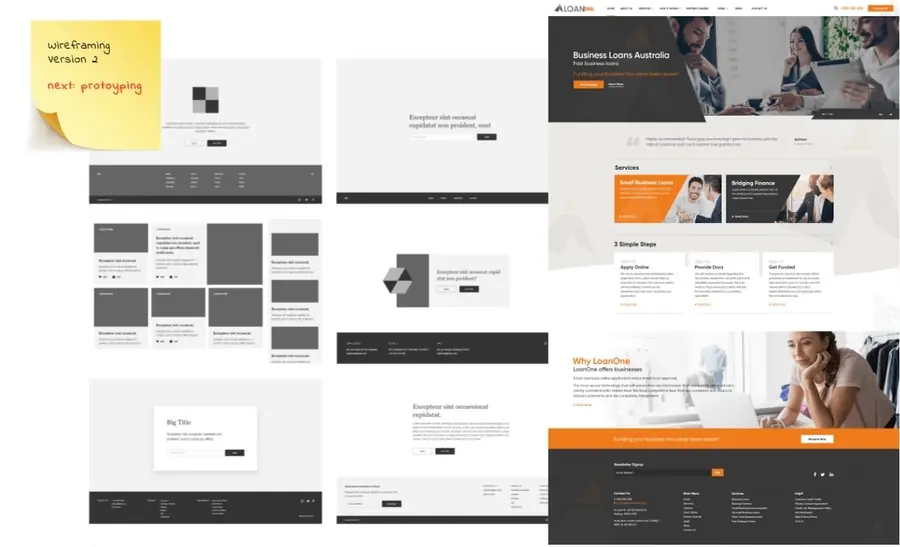
A feature list rarely explains what should happen when a request is incomplete, an approval is rejected or an order changes after an invoice is created. These exceptions often determine whether staff trust a new application.
We map users, states, transitions and ownership before translating the process into Laravel modules. Acceptance criteria describe the expected result in business language. This keeps the build reviewable and reduces the risk of important rules being scattered across controllers, views and individual developers' assumptions.
Each example starts with a defined operational need. Scope depends on the people, systems and business rules involved.
Lead qualification, quotations and hand-offs with clear ownership.
Requests, documents and account history available through a secure portal.
Stock-related records and approvals connected to existing operational systems.
Requests routed through review stages with an explainable decision history.
Availability, requests and staff actions managed around real scheduling rules.
Restricted product, document or order access for business partners.
Submission, review and version history around documents that need controlled handling.
Account access and product workflows connected to a scoped billing model.
Reports based on agreed data definitions rather than conflicting spreadsheets.
Backend actions and business data exposed to supported mobile clients.
Laravel's framework features support the application; explicit business decisions make it useful.
Modules and state changes represent how work progresses and who is responsible.
Models, transactions and migrations reflect relationships the business has agreed.
Authorization is checked on the server for the records and operations within scope.
Replacing every existing system is rarely necessary. A Laravel application can coordinate a specific workflow while finance, CRM or another platform continues to own its records. The integration plan must explain which data moves and what happens when the receiving service cannot accept it.
We review APIs, webhooks and import formats before committing to an integration. Queued work can handle tasks that do not need to complete inside a user's request, but failed jobs still need an owner, a retry policy and enough context to be investigated.
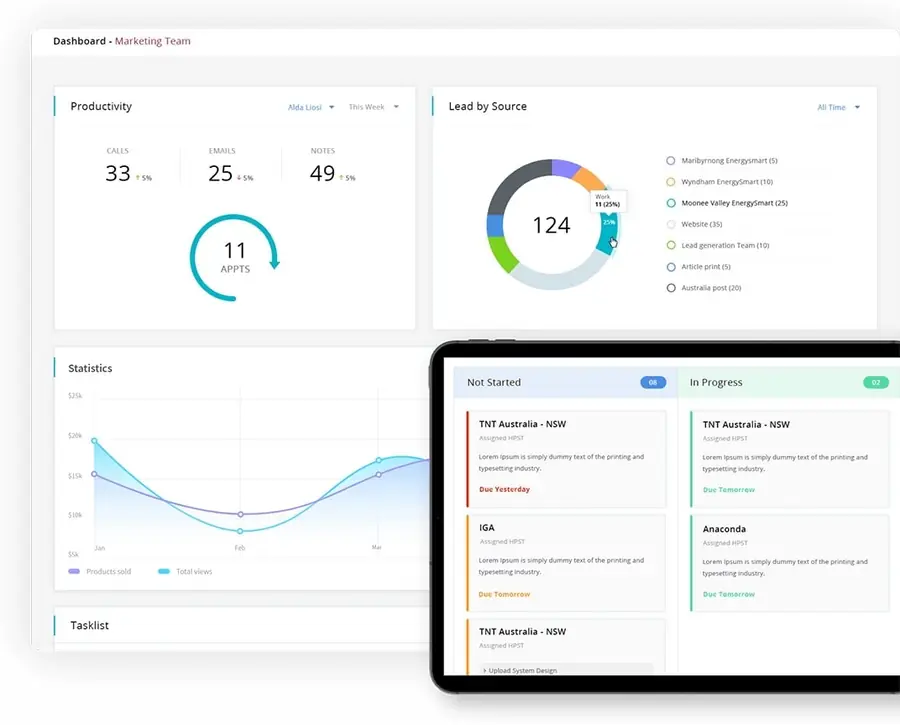
A useful administration screen helps someone complete work accurately. It should explain which records need attention, which fields can be changed and what an action will affect. A generated list of every database column rarely provides that clarity.
We design forms, filters and permission-aware actions around the team using them. Laravel can serve a conventional web interface or support a separate React frontend where the interaction requirements justify it. The choice is made alongside accessibility, performance and future maintenance responsibilities.
An application update may change the structure of data that staff are using every day. We review migrations, backups and compatibility so a release does not depend on an undocumented manual database edit.
Testing covers the important rules, permissions and integrations rather than only the successful path through a form. Deployment planning also includes configuration, workers, scheduled tasks and logs. The team receives a clear runbook for the agreed environment and a practical approach to recovery if a release has to be reversed.
A working form is one check; correct permissions, record updates and recovery behavior are equally important.
Confirm both allowed and disallowed actions for the relevant roles.
Review validation, related updates and migration behavior against real records.
Observe failed tasks and test safe retry behavior where jobs affect business records.
Keep configuration, migrations and deployment steps reproducible.
Each stage produces something reviewable before the next layer of work begins.
Interview the people doing the work and document decisions, exceptions and data ownership.
Agree user roles, record relationships, workflows and the boundary of the first release.
Review forms, lists and approvals with representative data before detailed implementation.
Develop modules and supported connections in increments with visible acceptance criteria.
Check permissions, imports, jobs and database changes in a staging environment.
Deploy with a runbook, user guidance and an agreed support or improvement plan.
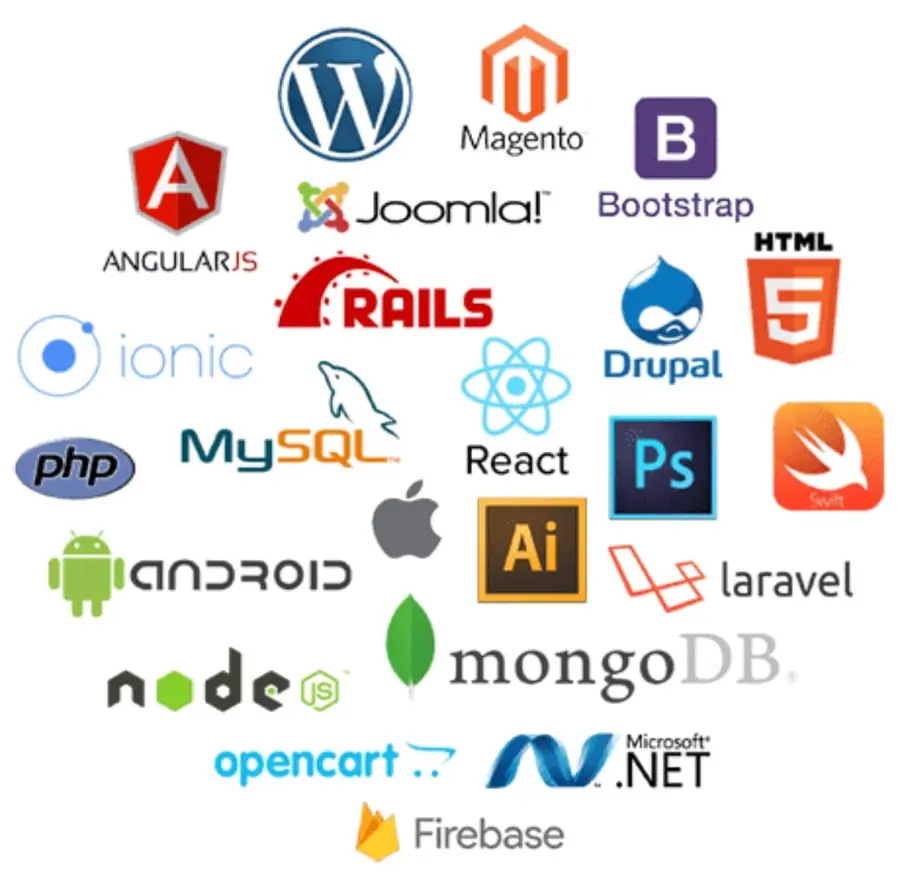
Our wider portfolio includes work connected with Gurjar Pragati Manch, Kisaan Jee and Tera Ghar. These examples show our approach to digital delivery; the logos do not imply that every project used Laravel.
For Laravel work, a useful discussion includes the business rules, access model and deployment decisions behind a comparable application. We explain the evidence we can share and our role; broader engineering work may involve SoftLes with responsibilities agreed in advance.
Review Selected WorkWe keep conversations about workflow and technology connected. Business stakeholders review what a module does; developers receive the rules, data definitions and interfaces needed to implement it without guessing.
Our Gurugram-based team collaborates with clients worldwide through scheduled reviews and documented milestones. We clarify repository access, environment ownership and any specialist partner involvement before delivery begins.
Laravel project cost follows workflow depth, not the number of framework features listed in a proposal. Roles, approval paths, data migration and external systems usually matter more than how many menu items the application has.
The proposal separates development work from hosting, paid services, licences and ongoing support. Scope changes and third-party dependencies are discussed before they become unexpected costs.
Request a Scope DiscussionWorkflow complexityStates, approvals, exceptions and cross-team responsibilities.
Data architectureRelationships, imports, audit requirements and reporting definitions.
User accessRole combinations, restricted actions and account lifecycle rules.
Integrations and jobsExternal APIs, scheduled work, webhooks and failed-job handling.
Existing code conditionDependency compatibility, test coverage and modernization risk.
Release responsibilityHosting setup, database changes, training and post-launch support.
Compare the technologies below, or explore all technology services to plan a stack around your users, content and operations.
Clear answers to common scope, technology, integration, release and cost questions.
Ask a project-specific questionIt can be a practical choice for PHP-based applications with structured data, access rules and custom workflows. We compare its fit with existing software, hosting and team skills before recommending a build.
Yes. A focused customer, staff or partner portal may solve the immediate need without replacing all operational systems. We define its data boundaries and integrations before deciding what belongs inside it.
Yes. Laravel can provide backend APIs to a separate frontend. Authentication, permissions and data responsibilities must be planned across both applications; a split architecture is not necessary for every project.
We map which actions and records each role can access, then enforce those rules on the server. Tests include attempts to perform restricted actions, not only successful sign-in.
We first review the current version, dependencies, custom code, tests and hosting requirements. A staged plan addresses compatibility issues and validates critical workflows before the upgraded application is released.
Yes, where the underlying data and definitions are agreed. We confirm how figures are calculated, who can access them and whether the records are complete enough to support the report.
The main factors are workflows, roles, data relationships, integrations, existing code quality and release obligations. A written scope separates initial development from hosting, paid services and ongoing maintenance.
The scope includes versioned migrations and deployment notes for the changes we make. Backup, recovery and access responsibilities are agreed for the target environment before release.
Suitable work can be queued or scheduled. We also plan worker operation, retries and failure visibility, so a task does not simply disappear after the interface reports that it was accepted.
Yes. We work remotely with businesses worldwide and agree review windows, milestones and communication channels. Any regional payment, language or compliance requirements are clarified as part of discovery.
Compare local website packages, ecommerce deliverables and transparent starter pricing in our top client cities, or view all 52 cities we serve.
Tell us where work gets delayed, which people need access and which systems must stay connected. We will help define a Laravel project with a realistic first release.


