Brochure Design
Organize service information and supporting visuals into a readable print or digital brochure.

Make your business information clear and consistent across print and digital touchpoints. We design practical brand-led materials around the audience, message and format—not just a decorative layout.

A brochure, social post or presentation has limited space to explain something useful. When every line competes for attention, the audience has to work too hard. Graphic design establishes hierarchy so the important message, supporting information and next step are easy to distinguish.
We start with the material's purpose and how it will be used. A printed catalogue needs different decisions from a mobile-first campaign graphic. Your approved content, brand assets and production requirements guide the layout before final artwork is prepared.
Chulbul Design works with businesses worldwide on one-off materials and coordinated design sets. We define the formats, revisions and source-file delivery at the start, including what content your team supplies and whether printing, copywriting or additional asset creation is included.
A focused range of print and digital materials, planned around your brand and production needs.
Organize service information and supporting visuals into a readable print or digital brochure.
Create consistent product or service layouts with useful navigation and clear information hierarchy.
Design approved messages for the agreed platforms and formats without losing the brand's visual identity.
Structure business decks so the story, evidence and key takeaways are easy to follow.
Prepare coordinated cards, letterheads and other agreed everyday business materials.
Build a coherent visual direction across the formats needed for a launch or promotion.
Arrange headline, supporting content and calls to action for the intended viewing context.
Apply approved content and brand assets to supplier-provided dimensions or dielines where scoped.
Improve readability and consistency across longer business communications.
Create agreed reusable layouts or adapt approved artwork to additional sizes.
We first establish the audience, the purpose of the material and where it will appear. What should people remember? What information must be included? Are they reading on a phone, holding a brochure or viewing a sign at a distance?
The brief also identifies approved copy, brand assets, dimensions and deadlines. Production constraints need to be known before design is finalized. If content is still changing, we agree a review process so layout work does not become a repeated cycle of rebuilding around missing information.
Examples of deliverables that can be tailored to your content and brand.
Explain capabilities and relevant business information in a coherent document.
Present product ranges with consistent detail and navigation.
Organize approved menus, promotions and customer-facing information.
Clarify itineraries and offers with a practical information hierarchy.
Present authorized property details and supporting visuals clearly.
Coordinate announcements, banners and practical attendee information.
Give teams a readable structure for explaining the offer.
Adapt an approved direction across relevant digital placements.
Make longer documents easier to scan and understand.
Plan information for the location and distance at which it will be seen.
A useful piece of artwork connects all three.
The main idea, supporting detail and next action have distinct roles.
Typography, colour and imagery follow an agreed direction across materials.
Preparation follows the actual digital format or supplier specification.
A campaign often includes several formats, but consistency does not mean placing an identical composition everywhere. We define the visual elements that should remain recognizable, then adjust hierarchy and composition to the space available.
Existing brand guidelines provide the starting point. If those rules are incomplete, we agree a practical direction for the current project without pretending that a one-off graphic is a complete identity system. A broader branding engagement can be scoped when the business needs shared rules across many touchpoints.

Artwork needs to fit its destination. Digital formats require attention to readable text and relevant export sizes. Printed material needs the supplier's specifications for dimensions, bleed, colour and file preparation. Those requirements are confirmed for the actual job rather than assumed to be universal.
We review imagery, typography and content in context. Stock material, fonts or supplied photos need appropriate rights for the intended use. Printing, photography and licensing costs are identified separately when they are outside the agreed design scope.
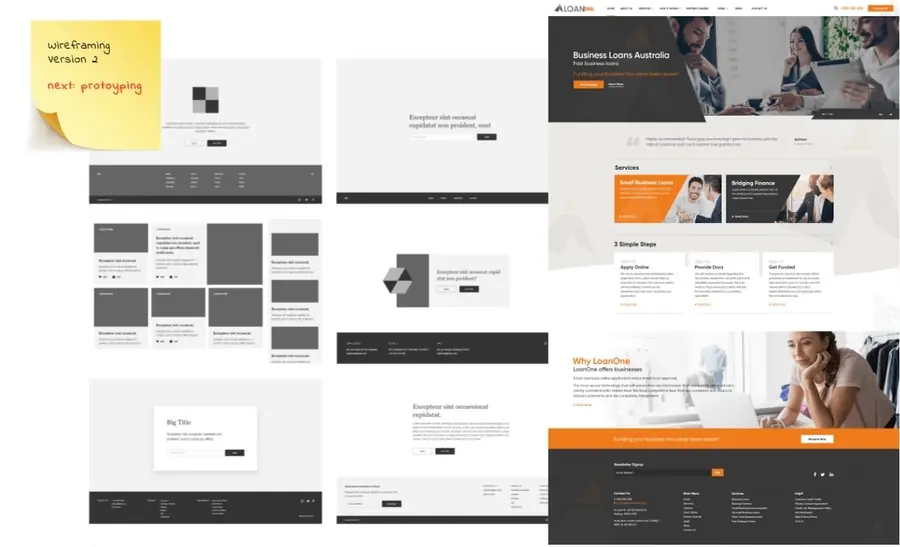
A polished layout cannot correct an unapproved phone number, price or product specification. Your team reviews the business facts while we check layout consistency and the agreed artwork requirements. A final proof helps make release decisions explicit.
Delivery includes the formats and editable sources specified in the proposal. For print projects, the supplier's proof and production process remain important because the finished result depends on materials and equipment as well as artwork. Later size adaptations or content changes can be handled as a defined follow-up scope.
The final material should be clear, accurate and prepared for its intended use.
Important content stays understandable at the intended viewing size.
Related materials share an approved visual direction.
Business details are confirmed by your designated reviewer.
Exports are checked against the agreed destination requirements.
Each stage has a clear purpose, approval point and responsibility before the next work begins.
Agree audience, purpose, formats, content and production constraints.
Review brand files, copy, images and any supplier specifications.
Create a layout approach that establishes hierarchy and visual consistency.
Build the agreed set and adapt the composition to each format.
Apply consolidated feedback and obtain approval of content and artwork.
Export the agreed formats and provide source files or production notes as scoped.
Our wider website portfolio includes work connected with Gurjar Pragati Manch, Kisaan Jee and Tera Ghar. These logos provide context for our wider digital work; they do not mean every project included graphic design work or original identity creation.
Ask to review a relevant layout at its intended size and the reasoning behind its hierarchy. We can clarify the design contribution and file deliverables; a website portfolio does not imply that every listed client commissioned print or campaign artwork.
Review Selected WorkWe connect the visual work with the information your audience needs to understand. That means asking about content and output requirements before making final layout decisions.
A clear delivery scope helps your team plan approvals and production. We distinguish design from copywriting, printing, photography and licensing so responsibilities stay practical rather than assumed.
Graphic design cost depends on the number of materials, their complexity, the condition of supplied content and production requirements. A single graphic and a multi-page catalogue should not be estimated as the same task.
The proposal separates design work from development, printing, licensed assets and any additional production. Scope changes and approval responsibilities are discussed before extra work begins.
Request a Scope DiscussionFormat countDistinct pieces, sizes and adaptations.
Content complexityPage length, product data and information hierarchy.
Asset workImage preparation, illustration or other agreed creation.
Brand readinessAvailability of usable logos, fonts and guidelines.
Review roundsStakeholders and the amount of content still awaiting approval.
Production scopeSource files, supplier coordination and final output preparation.
Compare the services below, or explore UI/UX and branding to choose the right design support for your product, identity and business materials.
Clear answers about scope, review rounds, deliverables, implementation and cost.
Ask about your businessWe can scope brochures, catalogues, social graphics, presentations, stationery, banners and other business materials. The brief defines the exact deliverables and output requirements.
Yes. Please provide the current logo files, colours, fonts and usage guidance. We review gaps before applying the identity to new materials.
Copywriting can be a separate part of the scope. Otherwise, your team supplies approved text and verifies business facts before the artwork is released.
Not automatically. Design, printing and delivery are different services. Supplier coordination or production can be discussed, with costs and responsibilities stated separately.
Editable source delivery is specified in the proposal, along with the formats used. Licensed fonts, stock images and other third-party assets may have separate usage conditions.
The proposal defines the review rounds and what counts as a revision. A new direction or major content change after approval may require a revised scope.
Yes. We agree the required formats and adjust composition and readability for each, rather than assume one cropped image will work everywhere.
Only when you have suitable rights for the intended use. We can work with your owned assets or discuss appropriately licensed alternatives.
Packaging artwork can be scoped using approved content and the supplier's specifications or dieline. Structural packaging design and specialist production checks are separate unless included.
Timing depends on content readiness, complexity, formats and approval turnaround. We agree delivery milestones after reviewing the brief instead of promise the same deadline for every project.
Compare local website packages, ecommerce deliverables and transparent starter pricing in our top client cities, or view all 52 cities we serve.
Send the material you need, its intended use and any existing brand assets. We will help define the design scope, content requirements and delivery formats.


