
Elevate Your Web Design Business with These Marketing Strategies
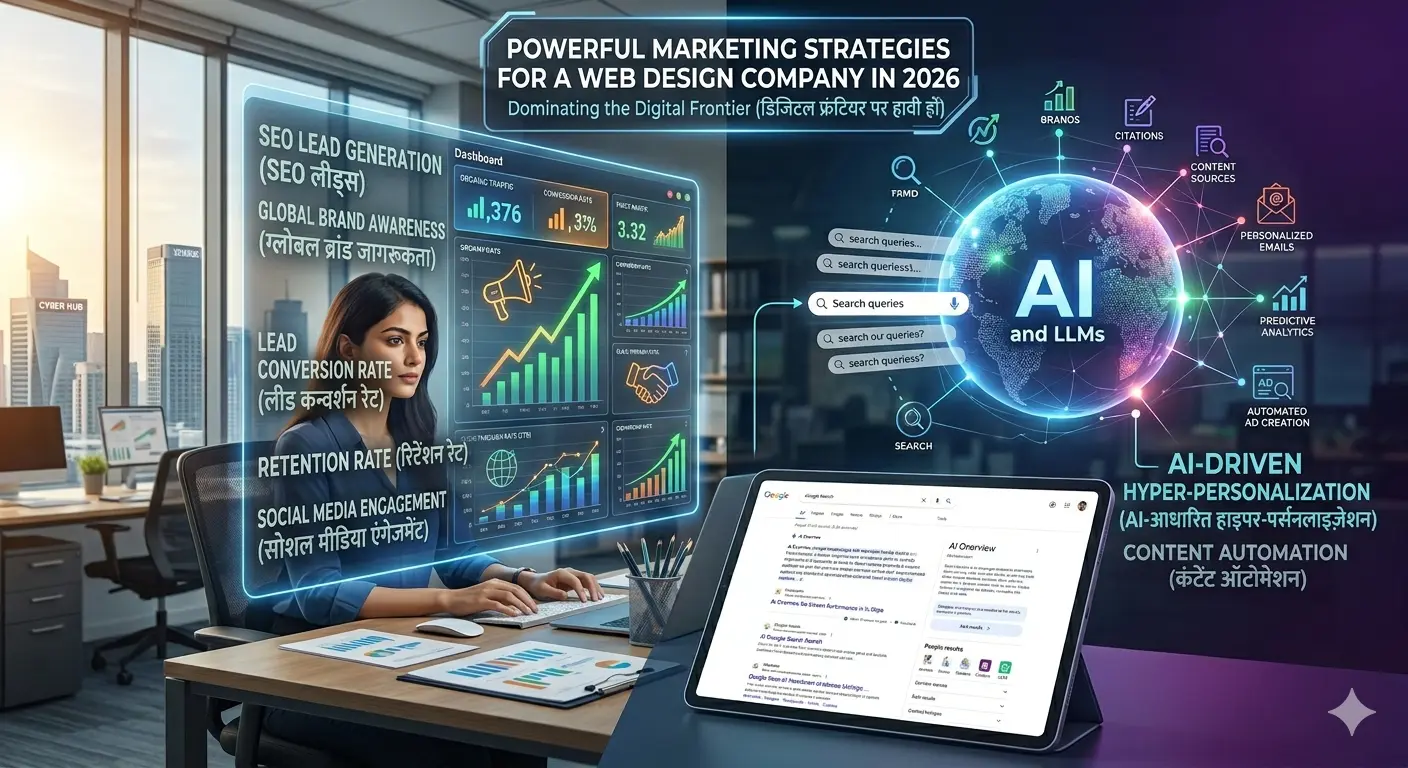
Challenges Web Design Companies Face in Acquiring Clients
Even though web design services are in high demand, many companies still struggle to attract clients. A major challenge is the high level of competition. With so many firms offering similar services, it becomes difficult to stand out.
Trust is another significant hurdle. Businesses that have had poor experiences with web designers in the past are often hesitant to invest again, making relationship-building even more crucial.
Lead generation can also be inconsistent. Some days bring plenty of inquiries, while others bring none. And even when people show interest, not every lead turns into a paying client — making business growth unpredictable.
Market saturation adds to the complexity. With countless web design companies out there, potential clients often feel overwhelmed and unsure of whom to choose.
To succeed in this competitive space, web design companies must overcome these challenges through smart, targeted marketing strategies.
Importance of a Strong Marketing Strategy for Web Design Businesses
To stand out in today’s competitive market, web design companies need more than just great design skills — they need a strong marketing strategy. A well-planned strategy helps potential clients discover your business before they find your competitors.
Effective marketing improves brand visibility across search engines and social media. When people search for web design services, your company should appear at the top of the results — building trust and increasing the chances of engagement.
It also helps generate high-quality leads. With a mix of organic and paid tactics, you can reach the right audience more efficiently.
By creating the right content and delivering clear messaging, your brand builds credibility. Prospects begin to see you as a trusted expert in the field, making them more likely to choose your services and even recommend you to others.
Most importantly, strong marketing drives real business growth. More visibility means more traffic, and more traffic means more paying clients — leading to increased revenue and long-term success.
In short, a solid marketing plan isn’t optional. It’s essential for any web design business aiming to grow in 2026 and beyond.
A solid marketing strategy helps web design companies stand out online. It attracts more visitors, builds trust, and turns leads into loyal clients. With the right approach, a web design business can grow faster and reach more ideal customers.
Good marketing isn’t about spending more — it’s about doing the right things at the right time. In this article, we’ll share 15 powerful marketing strategies for web design companies in 2026 to help you boost visibility, trust, and growth.
Even web design companies need great websites and smart marketing. Building a beautiful site isn’t enough — the right people need to find it.
A solid marketing strategy helps web design companies stand out online. It attracts more visitors, builds trust, and turns leads into loyal clients. With the right approach, a web design business can grow faster and reach more ideal customers.
Good marketing isn’t about spending more — it’s about doing the right things at the right time. With the right marketing strategies, a web design business can increase its online presence, build trust with potential clients, and ultimately drive business growth through effective marketing strategies.
Key Strategies for Marketing Your Web Design Company in 2026
Your web design company's success depends on effective marketing strategies to elevate its visibility and attract potential clients. Let's explore some of the most effective digital marketing strategies to boost your web design business in 2026.
1. Create a Compelling Website and Optimize for Conversions
Your website is often the first impression potential clients get, so it's crucial to make it count. Ensure it clearly communicates who you are, your unique offerings, and why someone should choose you. Use a clean, user-friendly layout that reflects your design expertise.
Some key elements to include are:
- Strong CTAs (Call-to-Actions) on every page to guide users toward taking the next step
- A showcase of your work through an updated portfolio, detailed case studies, and visual before-and-after transformations
- Trust elements like client logos, reviews, and certifications to establish instant credibility
- Mobile optimization, fast loading speed, and a live chat feature for a better user experience
2. Invest in SEO
Search Engine Optimization (SEO) helps your website rank higher in search engine results, bringing you organic traffic without relying solely on paid ads. To invest in SEO, consider the following strategies:
- Target high-intent keywords, such as "custom web design for small businesses"
- Focus on on-page SEO elements, including meta titles, descriptions, header tags, and internal linking
- Follow Google's EEAT principles: Experience, Expertise, Authoritativeness, and Trustworthiness
- Regularly publish blogs, optimize your image files, and build backlinks from reputable sources
3. Content Marketing & Blogging
Content marketing allows you to position yourself as an industry leader by creating valuable content that resonates with your target audience. This can include:
- Writing helpful blog posts about web design and development trends, user experience tips, and project case studies to showcase your expertise
- Creating long-form pieces, such as "The Ultimate Guide to Choosing a Web Design Company in 2026," to attract backlinks and establish authority
- Repurposing blog content into infographics, videos, podcasts, or LinkedIn posts to expand your reach across formats
- Focusing on creating value-packed content that answers common client questions and provides actionable advice
- Using videos and visuals to break down complex ideas in a simple, engaging way that's easy to share
4. Social Media Marketing
Social platforms like Instagram, LinkedIn, and Facebook are great for showcasing your design skills visually. To make the most of social media marketing, consider the following strategies:
- Sharing your projects, design insights, and testimonials visually
- Using reels or carousel posts to highlight your design process
- Engaging followers with polls, Q&As, and comments to build trust
- Maintaining consistent branding and using relevant hashtags for better reach
5. PPC & Paid Advertising
PPC advertising helps you quickly attract the right clients with targeted campaigns. Some effective PPC strategies include:
- Using Google Ads to target businesses actively searching for web design services
- Setting up retargeting campaigns to re-engage visitors who didn’t take action on your site
- Launching Facebook and Instagram carousel ads to showcase your top website designs visually
- Leveraging LinkedIn Ads to connect with decision-makers in your ideal client companies
- Experimenting with different ad formats, visuals, and CTAs to optimize performance and ROI
- Running seasonal or limited-time ad campaigns to create urgency and boost conversions
6. Email Marketing & Lead Nurturing
Email is still one of the most powerful tools for converting leads into clients. Effective email marketing strategies include:
- Offering a free guide or checklist to encourage sign-ups and grow your email list
- Sending monthly newsletters with updates, web design tips, and client success stories
- Personalizing emails using the recipient’s name and business needs for better engagement
- Setting up automated email sequences to guide leads toward booking your services
- Sharing exclusive offers or free consultations to incentivize action
- Using email marketing to build trust and stay top-of-mind with leads and past clients
7. Networking & Partnerships
Building strong relationships with complementary businesses can open new lead pipelines. Consider the following strategies:
- Collaborating with digital marketing agencies, branding consultants, or an SEO agency to offer full-service packages
- Attending networking events and trade shows to connect with business owners and decision-makers
- Providing referral discounts to partners who bring in new clients and encouraging word-of-mouth promotion
- Joining local business associations to build credibility and expand your reach within the community
- Forming long-term alliances to create recurring collaboration opportunities and shared growth
8. Cold Outreach & Direct Sales
Cold outreach is a direct way to find new clients. Effective cold outreach strategies include:
- Identifying businesses with outdated websites and offering a free website audit to demonstrate value
- Personalizing cold emails with insights tailored to the recipient’s industry for better engagement
- Offering a free consultation or performance analysis to provide upfront value and start a conversation
- Focusing on client needs and suggesting tailored web design solutions to build trust and close deals
- Following up consistently with warm leads to keep your services top-of-mind
9. Client Testimonials & Case Studies
Social proof is one of the most powerful conversion tools. To leverage client testimonials and case studies, consider the following strategies:
- Asking happy clients for video testimonials — they feel personal and are easy to share
- Creating simple case studies explaining the client’s problem, your solution, and measurable results
- Using real numbers and clear language to make your impact easy to understand
- Showcasing testimonials and case studies on your website near service pages and contact forms
- Encouraging Google reviews to boost both credibility and search engine rankings
10. Develop a Strong Brand Identity
Your branding should reflect the quality of your work. To develop a strong brand identity, consider the following strategies:
- Defining what makes your company unique — whether it’s your design style, values, or client approach
- Using high-quality visuals like a professional logo, consistent color scheme, and readable fonts
- Maintaining visual consistency across your website, social media, and all marketing channels
- Crafting a clear value statement that speaks directly to your ideal clients
- Building trust with a strong, consistent brand presence that helps you stand out in a competitive market
11. Webinars & Online Workshops
Hosting webinars positions you as an expert while generating qualified leads. Effective webinar strategies include:
- Educating potential clients and showcasing your expertise through live webinars and online workshops
- Offering free website audits during sessions to attract attendees and demonstrate value
- Collaborating with industry experts to expand reach and build credibility
- Engaging directly with your audience, answering questions in real time, and building trust
- Recording and repurposing webinars into blog posts, video snippets, or social media content for ongoing marketing
12. Offer Limited-Time Promotions & Discounts
Urgency drives action. To create limited-time promotions and discounts, consider the following strategies:
- Creating urgency by offering exclusive discounts for first-time clients or seasonal promotions
- Promoting promotions across multiple channels, including your website, social media, and email newsletters
- Highlighting the value by offering bundled services, like a free consultation with a website redesign package
- Setting clear expiration dates for the promotion to encourage clients to take action quickly
- Leveraging testimonials and case studies during the promotion to show the success of previous clients and demonstrate results
- Offering exclusive bonuses like free website maintenance for the first month to further incentivize potential clients
13. Leverage AI Tools for Smarter Marketing
AI and automation can improve efficiency and scalability. To leverage AI tools for smarter marketing, consider the following strategies:
- Implementing AI chatbots on your website to engage visitors, answer questions, and collect leads
- Automating email campaigns to follow up with leads, nurture relationships, and send valuable content
- Using AI for audience analysis to understand customer behavior and preferences
- Analyzing campaign performance with AI to identify what’s working and what’s not
- Saving time by automating repetitive tasks, freeing up resources to focus on designing exceptional websites
- Enhancing decision-making by using AI-powered insights to refine your marketing efforts and optimize results
14. Affiliate & Influencer Marketing
Tapping into new audiences with influencer and affiliate programs can be an effective marketing strategy. Consider the following:
- Partnering with tech influencers to showcase your services to their audience
- Creating an affiliate program where clients and partners earn rewards for referring others
- Getting featured in industry blogs and publications to boost visibility and establish your authority as a web design expert
- Leveraging influencer partnerships to expand your reach and gain credibility with a broader audience
15. Referral Marketing & Client Incentives
Turning happy clients into brand advocates can be a powerful marketing strategy. To encourage referrals and client incentives, consider the following:
- Encouraging happy clients to refer others by offering rewards like discounts or free add-ons
- Partnering with businesses offering related services to refer clients to each other
- Sharing testimonials and success stories on social media to build trust and attract potential clients
Conclusion
In 2026, growing a web design business requires a combination of technical expertise and effective marketing strategies. It's about blending strategic marketing with a clear brand identity to stand out in a competitive market. By adopting strategies such as search engine optimization, email marketing, social media marketing, and strategic partnerships, you can attract more clients and build lasting trust with them.
Consistency is key to successful marketing. Ensure your branding, content, and outreach efforts are aligned across all platforms to convey a unified message. Utilize AI tools and automation to streamline your processes, save time, and improve your overall results. Most importantly, focus on solving real problems for your clients. When you demonstrate value and nurture relationships, your business will experience growth.
Start small, stay consistent, and continuously improve your marketing strategies. With the right approach, your web design company can thrive even in a crowded market. It's essential to stay up-to-date with the latest marketing trends and best practices to stay ahead of the competition.
A well-planned marketing strategy is crucial for the success of a web design business. To drive traffic, engage users, and convert leads, you need a strategy that incorporates various marketing channels such as SEO, social media, email marketing, and targeted ads. By building a robust online presence, you can attract and retain clients, ultimately growing your business. Effective marketing strategies can help you turn your website into your best marketing tool, driving growth and success for your web design company.
If you're looking for expert help to grow your web design business, consider partnering with a reputable agency like Chulbul Design to develop and implement effective marketing strategies.
Frequently Asked Questions
What is the importance of consistency in marketing?
Consistency is crucial in marketing as it helps to build trust and recognition with your target audience. When your branding, content, and outreach efforts are aligned across all platforms, you convey a unified message that resonates with your clients.
How can I improve my web design business's online presence?
You can improve your web design business's online presence by utilizing various marketing channels such as SEO, social media, email marketing, and targeted ads. Building a robust online presence helps you attract and retain clients, ultimately driving growth and success for your business.
What are some effective marketing strategies for a web design business?
Some effective marketing strategies for a web design business include search engine optimization, email marketing, social media marketing, and strategic partnerships. These strategies can help you attract more clients, build lasting trust, and drive traffic to your website.
How can I measure the success of my marketing strategies?
You can measure the success of your marketing strategies by tracking key performance indicators such as website traffic, engagement rates, conversion rates, and client retention. Analyzing these metrics helps you identify areas for improvement and make data-driven decisions to optimize your marketing efforts.