
The Power of Branding: Definition, Importance, and Best Practices
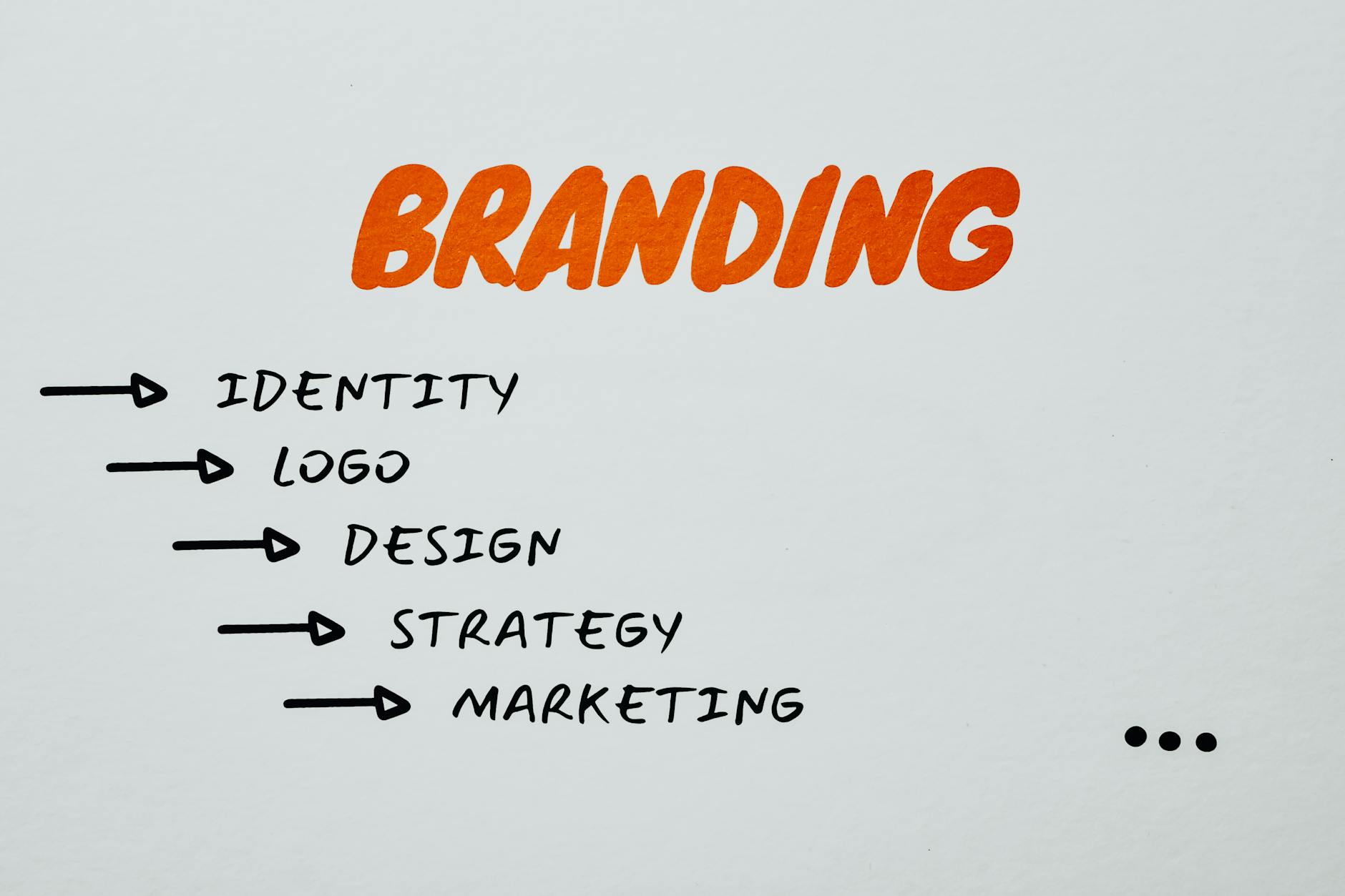
Learn What Branding Truly Entails
So, what is branding? Honestly, it's the process of creating a unique identity for your business - one that embodies its mission, values, and narrative. At Chulbul Design, we've seen how effective branding can consistently deliver on promises and create a lasting image in the minds of consumers. That's why it's essential to understand the nuances of branding and how it can help you establish a strong market presence.
In fact, branding is like a journey that carves out a niche for your business in the marketplace. It's about creating a compelling identity that's instantly recognizable - and that matters more than most people realise. To achieve this, you'll need to focus on creating a strong brand foundation - which is why we'll be exploring the core elements of branding in this article.
What is Branding?
Branding defines and expresses a company's unique identity - encompassing its mission, values, and narrative. But what exactly is branding? It's the process through which a brand comes to life, embodying everything from the website design to the voice used in communications. We've found at Chulbul Design that branding is all about consistently delivering on promises and creating an enduring image in the minds of consumers.
And that's why branding is so crucial for businesses - it helps create a lasting impression on customers and sets you apart from the competition. Here's the thing: branding isn't just about creating a pretty logo or website - it's about creating a cohesive identity that resonates with your audience. So, let's dive deeper into the world of branding and explore its core elements.
Branding vs Marketing
So, what's the difference between branding and marketing? Honestly, branding is the foundation upon which the structure of marketing is built - it's the message that primes the target audience, while marketing refers to the channels and methods used to convey that message. In our experience, understanding the nuances between branding and marketing is pivotal for any business striving to establish a strong market presence.
In fact, marketing campaigns convey the brand's voice to potential customers - engaging them through various marketing communications. But branding is what gives marketing its direction and purpose - it's the why behind the what. That's why it's essential to have a strong brand foundation before launching any marketing campaigns.
The Core Elements of Branding
So, what are the core elements of branding? Here are a few key ones to consider:
- Visual Identity: A brand's visual identity is often the most recognizable - it includes the logo, color palette, and typeface that become synonymous with the brand's design.
- Brand Design: Beyond visuals, brand design encompasses a brand's touchpoints' overall aesthetic and functional aspects - including WordPress development and ecommerce development.
In fact, these elements work together to create a cohesive brand identity that resonates with your audience. And that's why it's essential to consider them when developing your brand strategy.
The Elements of Branding
So, what are the key elements of branding? Here are a few to consider:
- Visual Identity: A brand's visual identity is often the most recognizable - it includes the logo, color palette, and typeface that become synonymous with the brand's design.
- Brand Design: Beyond visuals, brand design encompasses a brand's touchpoints' overall aesthetic and functional aspects - including the layout of physical spaces and UI/UX design.
And that's why these elements are so crucial for businesses - they help create a lasting impression on customers and set you apart from the competition. Here's the thing: branding is all about creating a cohesive identity that resonates with your audience.
Key Branding Terms to Know
So, what are some key branding terms to know? Here are a few:
- Brand Identity: This is the aggregate of the brand's elements created by the company to portray the right image to its consumers.
- Brand Image: The customer's perception of the brand forms the brand image - it's what the public believes about what you sell and how you sell it.
- Brand Perception: Influenced by experiences and associations, brand perception is the mirror reflecting how the outside world views brand identity.
In fact, understanding these terms is essential for creating a strong brand strategy - one that resonates with your audience and sets you apart from the competition. And that's why we'll be exploring more about digital marketing and how it can help you achieve your branding goals.
Best Practices for Branding
So, what are some best practices for branding? Here are a few to consider:
- Be consistent: Consistency is key when it comes to branding - it helps create a cohesive identity that resonates with your audience.
- Be authentic: Authenticity is essential for building trust with your audience - it's what sets you apart from the competition and creates a lasting impression.
- Be patient: Branding is a long-term strategy - it takes time to develop a strong brand identity that resonates with your audience.
And that's why it's essential to have a strong brand foundation - one that's built on a deep understanding of your audience and what they want. Here's the thing: branding is all about creating a lasting impression on customers - and that's what sets successful businesses apart from the rest.
Common Branding Mistakes to Avoid
So, what are some common branding mistakes to avoid? Here are a few to consider:
- Not having a clear brand strategy: A clear brand strategy is essential for creating a cohesive identity that resonates with your audience.
- Not being consistent: Consistency is key when it comes to branding - it helps create a cohesive identity that resonates with your audience.
- Not being authentic: Authenticity is essential for building trust with your audience - it's what sets you apart from the competition and creates a lasting impression.
In fact, avoiding these mistakes is crucial for creating a strong brand identity - one that resonates with your audience and sets you apart from the competition. And that's why it's essential to have a deep understanding of your audience and what they want - which is why we recommend working with a branding expert to help you develop a strong brand strategy.
Conclusion
So, there you have it - a comprehensive guide to branding and how it can help you elevate your market presence. At Chulbul Design, we've seen how effective branding can consistently deliver on promises and create a lasting image in the minds of consumers. And that's why we're passionate about helping businesses develop strong brand identities that resonate with their audience - and set them apart from the competition.
Frequently Asked Questions
What is the key to creating a strong brand identity?
Creating a strong brand identity involves developing a unique and consistent visual and tone-of-voice language that resonates with your target audience. This includes elements such as your logo, color palette, typography, and messaging, all of which should work together to convey your brand's values and personality. By establishing a clear and compelling brand identity, you can differentiate yourself from competitors and build a loyal customer base.
How do I know if my branding is effective?
Evaluating the effectiveness of your branding involves tracking key metrics such as customer engagement, brand recognition, and loyalty, as well as monitoring feedback from your target audience. You can also conduct regular brand audits to assess the consistency and impact of your branding across different channels and touchpoints. By regularly assessing your branding's performance, you can identify areas for improvement and make data-driven decisions to optimize your brand strategy.
Can I change my brand's identity once it's established?
While it's possible to evolve or refresh your brand's identity over time, making significant changes to an established brand can be challenging and may require careful consideration. It's essential to weigh the potential benefits of rebranding against the risks of alienating existing customers or confusing your target audience. If you do decide to make changes, it's crucial to communicate the reasons behind the update and ensure a seamless transition across all channels and touchpoints.
How does branding differ for small businesses versus large corporations?
While the fundamental principles of branding remain the same for businesses of all sizes, small businesses and large corporations often face different challenges and priorities when it comes to building and maintaining their brand. Small businesses may need to focus on establishing a strong local presence and differentiating themselves from larger competitors, while large corporations may need to manage complex global brand architectures and ensure consistency across multiple regions and product lines.
What role does social media play in building a strong brand?
Social media plays a critical role in building a strong brand, as it provides a platform for businesses to engage with their target audience, share their story, and showcase their personality. By leveraging social media channels effectively, businesses can increase brand awareness, drive website traffic, and build a loyal community of followers. However, it's essential to develop a social media strategy that aligns with your overall brand goals and values, and to maintain a consistent tone and voice across all social media platforms.